Helping Older Adults process pain and build hope through Compassionate Care. ❤
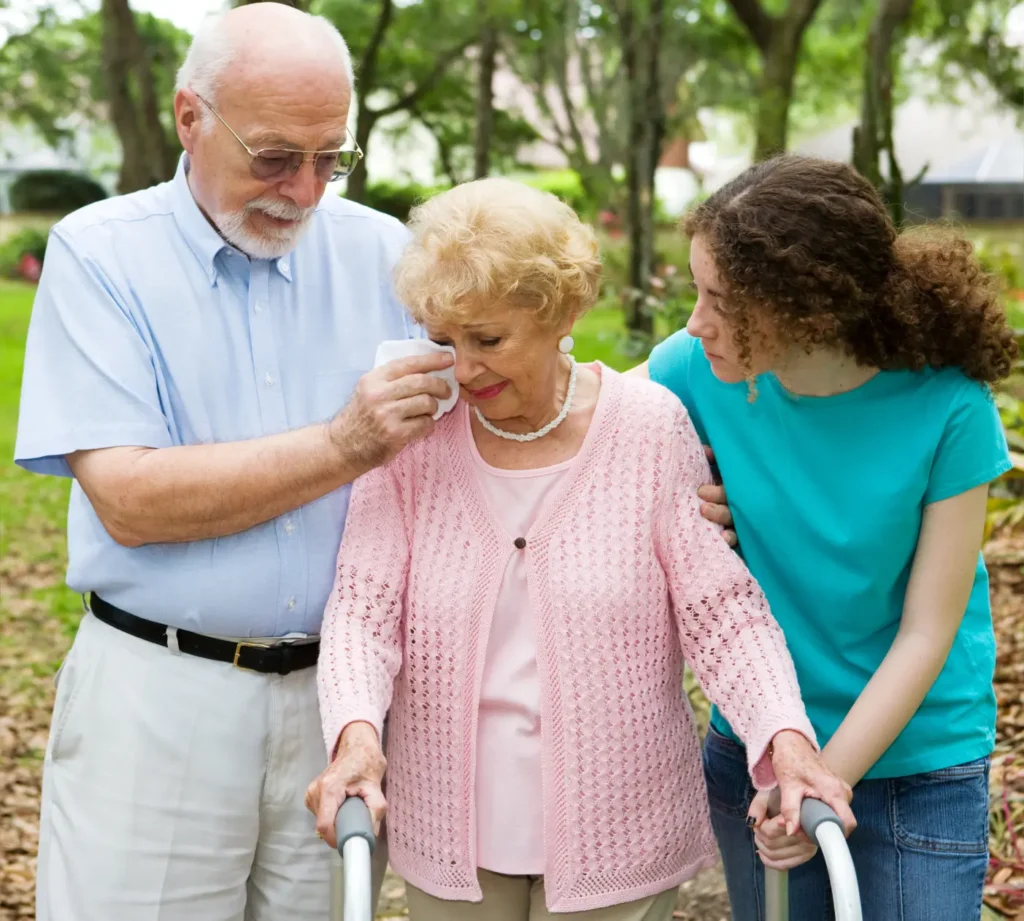
Caregiving is nurturing a person’s physical, mental, emotional, and spiritual needs, giving them the life they desire by being present in their lives, loving them unconditionally, and striving to achieve a sense of belonging, meaning, self-realization, and respect. Your loved one may not remember your name or your shared history, but your presence, your touch, and your care still matter. You’re honoring both who they were and who they are now — and that’s the most loving thing you can do. Together, you are shaping a world where everyone can thrive — supported by the care they deserve. Family is your compass, your inspiration to reach greater heights, and your comfort when you stumble. Their legacy of love is what they leave you forever. So, why not make their last days something memorable — a celebration of a rich and rewarding journey?
Being a Family Caregiver who takes care of an aging, seriously ill, or disabled family member or friend; you stay home with your loved ones and build a stronger, closer relationship, keeping them safe, comfortable, remain in the comfort of their home surrounded by people they trust. You receive financial support for the care you provide reducing stress, burnout, and financial pressure on your family.
Family and friend caregivers in the U.S. provide an estimated $600 billion in unpaid care each year. This eye-opening number, from a 2023 report from the AARP Public Policy Institute, is based on about 38 million caregivers providing an average of 18 hours of care per week, often spending 26% of their household income on caregiving. But the families we see spend more than 40 hours per week providing complex care to their relative, friend or partner. And with that comes increased stress, depression, and loneliness (CA CRC Annual Report, FY23).
If your loved one is a Medicaid recipient, they may be able to hire you as a paid caregiver. Medicaid, which targets low-income Americans, seniors, people with disabilities and a few select other groups, has certain income requirements. Determine the eligibility requirements first to find out if your loved one qualifies for Medicaid. If so, contact your state’s Medicaid office to get more information about self-directed services and whether you can become a paid family caregiver.
When it comes to family caregiver pay, programs vary state by state, as well as by circumstance. Many of these offerings, such as Medicaid’s self-directed services, allow a certain amount of an individual’s Medicare funds to be allocated to a family caregiver. The amount that you receive will vary based on the state you reside in, the plan you have in place, and the amount of care required. In the United States, some families may qualify for financial support through Medicaid. This program can offer payment to family caregivers under certain circumstances. The amount paid typically ranges based on the level of care needed and the state in which the caregiver resides.
For example, in California, eligible family caregivers can receive payment for their care through the In-Home Supportive Services (IHSS) program, which allows caregivers to earn wages that can impact household income.
Medicaid waiver self-directed long-term services and supports (LTSS) programs, which allows Medicaid participants to maintain decision-making authority over their own care and how their Medicaid funds are spent.
There are several self-directed options states offer, including self-directed personal assistant services in which participants select and train their own provider and decide how much to pay them and waivers for those who prefer to get home and community-based care, which are referred to as Home & Community Based Services (HCBS).
Some states also offer Structured Family Caregiving programs. Family caregivers can be paid through this program if their loved one is a Medicaid recipient. To qualify for your State’s Structured Family Caregiving program, your loved one must be enrolled in Community Care Services Program (CCSP) that help seniors and adults with disabilities remain safely at home instead of entering a nursing facility. These programs provide ongoing support for people who need help with daily activities such as bathing, dressing, meals, mobility, and personal care. If your loved one is approved for CCSP, they may also qualify for the Structured Family Caregiving program—allowing a family member living in the home to get paid for providing their daily care. The caregiver must live in the same home and provide ongoing support each day. Qualified caregivers can include a son, daughter, grandchild, sibling, or other close family member—just not a spouse. By embracing structured family caregiving, families can forge a path that honors their loved ones while supporting one another.
Other government programs may be able to offset some of your caregiving costs. Each state has several local agencies that are part of the Administration on Aging (AoA), many of which provide resources like:
Visit Eldercare.gov to find contact information for your local AoA agency. In addition, it may be worthwhile to contact your state’s department of welfare or health and human services to find out what cash or medical assistance programs or support programs may be available to help with some of your family’s caregiving costs and responsibilities. Make sure you keep records of all your caregiving expenses throughout the year, because you may be able to use this information to get the Dependent Care credit, which can equal up to 50% of your employment-related expenses.
If your loved one is a veteran, they may qualify for the Veteran Directed Care Program. This program is designed for veterans who need daily assistance and for caregivers who need extra help. Veterans or their family caregivers are given a budget to manage their care and help them age in place in their own home or community. With the budget, a veteran can hire a family member or another person to provide in-home care and buy the necessary items or services to help them manage their own care.
The U.S. Department of Veterans Affairs also provides what’s known as Aid & Attendance, which increases a veteran’s monthly pension if they are bedridden and need treatment, if they are a patient in a nursing home, are visually impaired or if they need a regular caregiver to help with their daily activities, which can be a family caregiver or another individual.
The agency also offers benefits for veterans who are housebound. To apply for these benefits, contact your state’s pension management center and submit the A&A application form (VA Form 21-2680).
In California, eligible family caregivers of veterans can earn
Up to $2,750 per month through the Program of Comprehensive Assistance for Family Caregivers (PCAFC)
Yes, here are a few resources available to help family caregivers.
Long-term care insurance is usually the first and best option, and some of these policies may even pay for a family member to provide care.
The provides several helpful guides and information resources to help consumers learn more.
Personal Care Agreements are another option to get paid for providing care to a loved one. Under these
agreements, an elderly relative would enter into a contract with a family member to provide care. Just be sure to consult an elder law attorney to advise on how to draw up the contract to protect both parties and to outline any tax obligations.
Tax deductions also can help to offset caregiving costs. Make sure you keep records of all your caregiving expenses throughout the year, because you may be able to use this information to get the Child and Dependent Tax Credit (CDCTC), which can equal up to 50% of your employment-related expenses.
To qualify for caregiving-related deductions, you must be responsible for more than 50% of the costs for your loved one’s support, your loved one must be a dependent, spouse or qualifying relative (i.e. an aging parent) and they must be below a certain gross income.
Tax credits for family caregivers also vary by state and situation. At the state level, New York residents can claim
Your employer might offer an elder care program or benefit.
https://www.cdss.ca.gov/inforesources/community-care-licensing
https://www.hhs.gov/aging/long-term-care
https://www.hhs.gov/programs/providers-and-facilities/resources-for-caregivers/index.html
https://www.211.org/get-help/caregiver-resources